Men's Energy, Strength and Healthy Aging: What the Evidence Supports
Watch the full presentation below. This briefing gathers publicly available guidance on the everyday routines linked to steady energy and durable strength in men — and what current nutritional science says about supporting them.
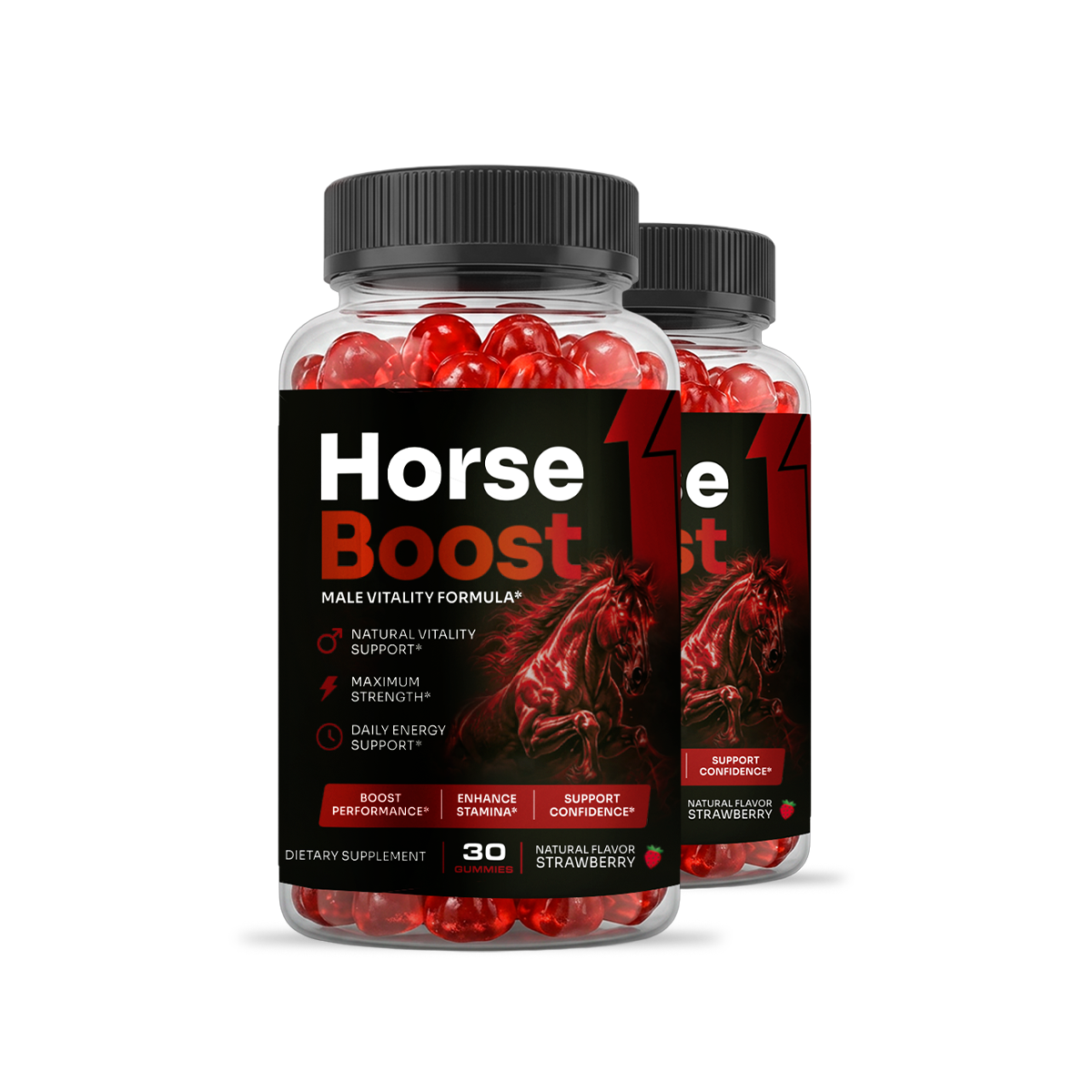
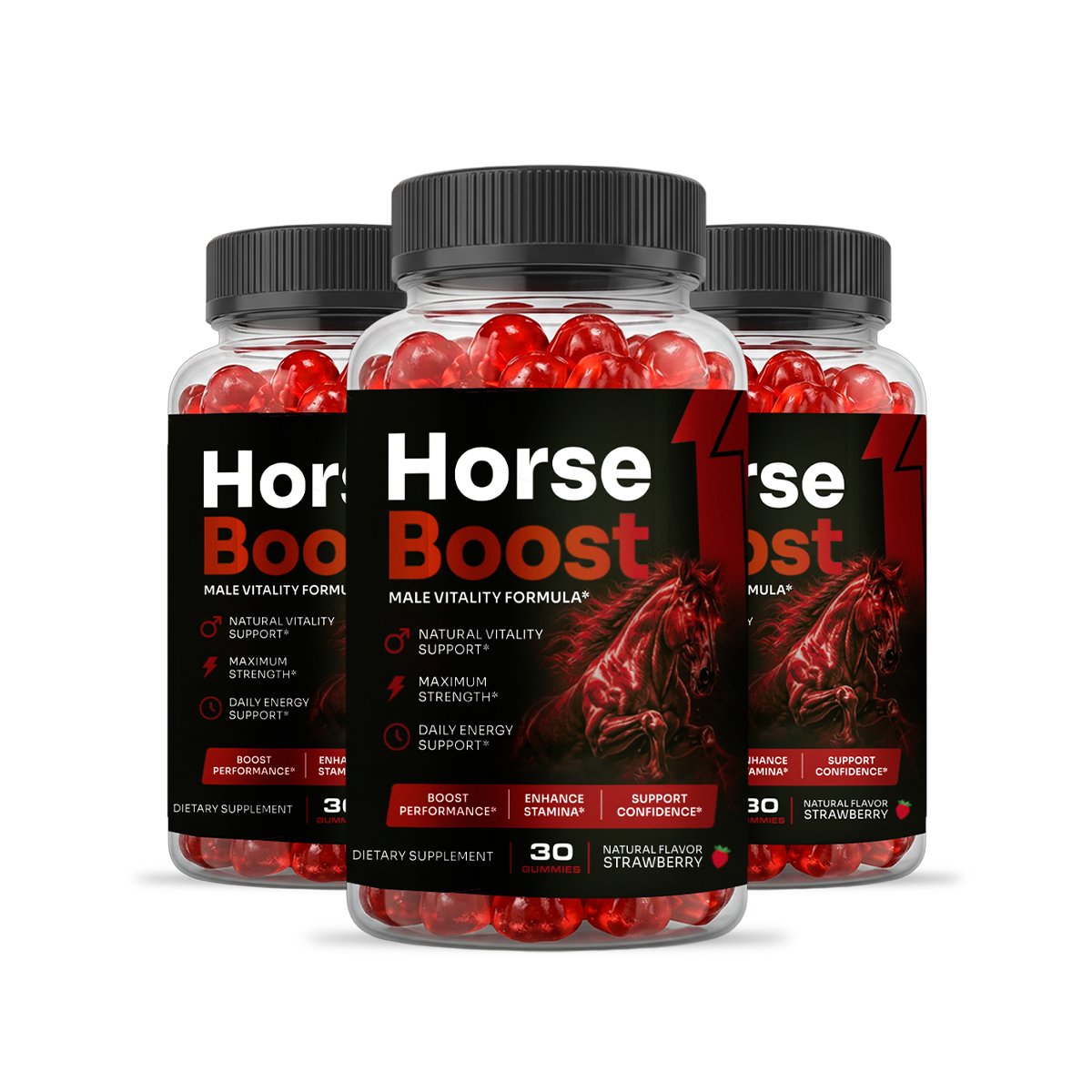
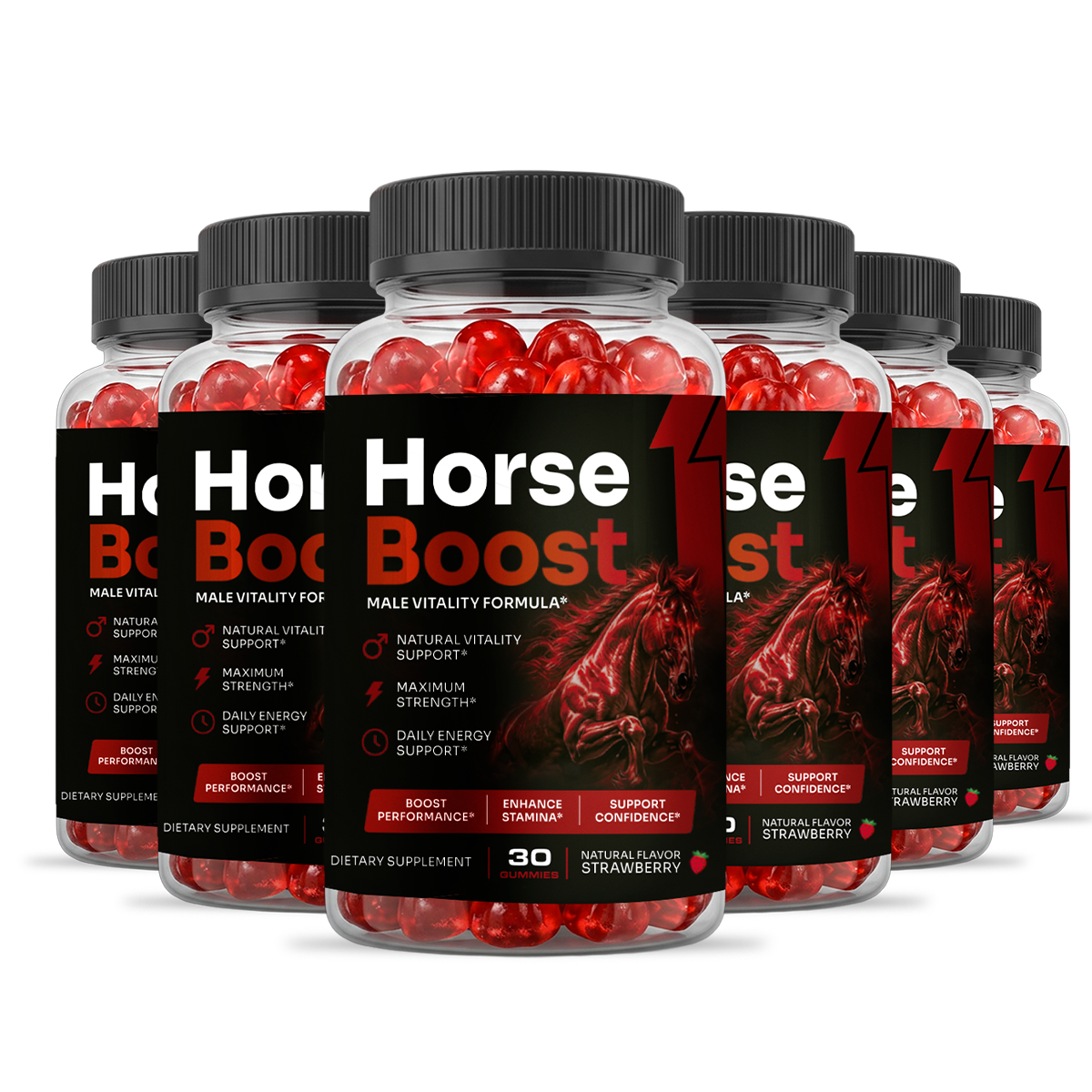
HorseBoost
Dietary supplement referenced in the presentation above — 30 gummies per bottle, natural strawberry flavor. Prices and shipping below match the secure checkout.
Secure & Discreet Payment
60-Day Money Back Guarantee
One Time Fee — No Autoship
More From The Desk

Why Strength Work Earns Its Place
Two sessions a week covering the major muscle groups is the common guideline, and it does not require a gym membership. Researchers note that bodyweight work counts, that progress comes from gradually adding difficulty, and that consistency across months matters more than any single session.

Sleep, Recovery and Daily Rhythm
Most adults are advised to aim for seven or more hours of sleep. A consistent bed and wake time helps steady the body's internal clock, which is linked to appetite, mood and energy. A regular wind-down — dimmer light, less late screen time — is a commonly cited, low-cost anchor.

Protein, Fibre and Balanced Plates
Dietary guidance consistently highlights vegetables, fruit, whole grains and lean protein. Meals richer in fibre and protein tend to support a longer sense of fullness, which makes balanced eating easier to sustain. Steady hydration helps too — thirst is sometimes mistaken for hunger.
Reviewed & Verified: July 2026 • Vol. IV · Men's Briefing No. 18 • Educational Purposes Only